Well, the slow cooker crowd has a point. Dump ingredients in the morning, come home to a hot meal. But I've also eaten one too many bowls of mushy, gray pot roast that all tasted like the same sad gravy.
So when people ask me if a pressure cooker is just a faster, more complicated version of the same thing, I tell them to look at my counter.
I've been cooking weeknight dinners for my family of five for fifteen years, and for the last three of those, the Instant Pot Duo has held the prime real estate.
The slow cooker? It's in the cabinet, collecting dust next to the waffle iron. Here's the honest breakdown of which one actually earns its spot.
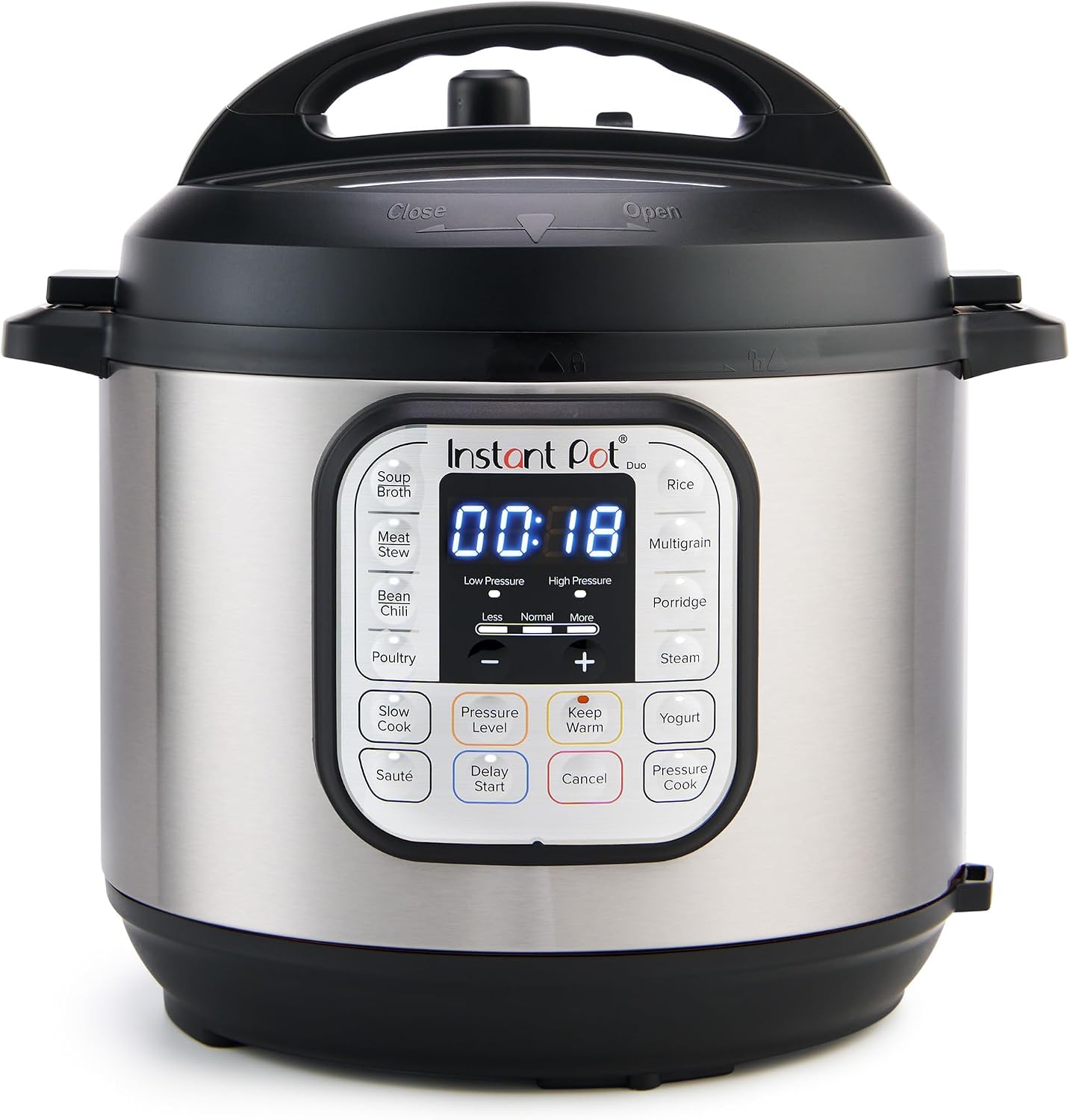
Instant Pot Duo 7-in-1, 6 Quart
Replaces three appliances, sears properly, cooks a pork shoulder in 90 minutes instead of 9 hours
The silicone ring absorbs curry smells, and the steamer tray is useless
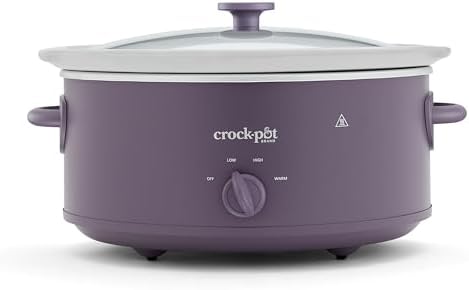
Crock-Pot 7-Quart Manual Slow Cooker
Set it and forget it, forgiving of a busy day, cheap
Turns everything into mush, no browning capability, takes all day for what the pressure cooker does in an hour
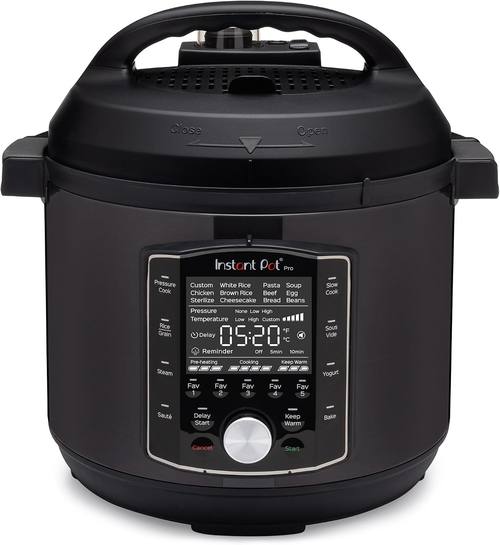
Instant Pot Pro 10-in-1
More presets, a better display, the upgrade if you want the same brand with more control
Costs more, same ring odor issue, and the extra programs are mostly gimmicks I never use
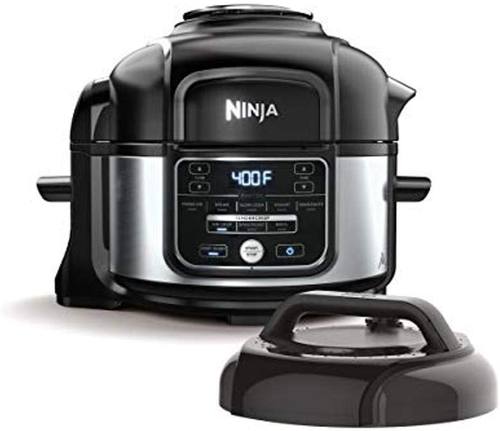
Ninja OS101 Foodi 9-in-1, 5 Quart
It air fries, which the Instant Pot can't do, and the one-lid design is smart
Smaller capacity, and I've had a Ninja circuit board die on me after three years
Prices and availability were captured from Amazon Creators API and may change.
How I tested this
I didn't run lab tests. I cooked dinner. Tuesday night was a chuck roast in the Crock-Pot, started at 7 AM. Wednesday night was the same cut in the Instant Pot, started at 6 PM. Thursday I used the Ninja to make both a stew and some frozen wings. I timed everything, cleaned everything by hand since my dishwasher has been broken for six months, and took notes on what I'd actually make again.
The Instant Pot Duo 7-in-1, 6 Quart
The biggest issue with the Instant Pot is the one nobody mentions in the manual. I made a lamb curry on a Tuesday. Cleaned the pot, washed the silicone ring with soap and water. On Friday I made plain basmati rice for the kids, and it tasted faintly, unmistakably of Tuesday's curry.
That's the ring problem. It absorbs strong flavors and redeposits them into whatever you cook next. The fix is either buying a second ring for sweet dishes or deep-cleaning it with vinegar, which takes real effort.
It's a minor inconvenience, but it's real.
That's the only real complaint I have. This machine earns its spot on the counter because it replaces my rice cooker, my slow cooker, and my pressure cooker, and it does all three jobs better than the standalone units I owned before.
The 6-quart stainless steel pot is heavy enough to use on my gas stove for searing, which matters more than any preset program.
I brown a chuck roast right in the pot, deglaze with stock, then pressure cook on high for 60 minutes.
Natural release for 15 minutes, and the meat pulls apart with a fork. Total time from fridge to table: about 90 minutes, with maybe 10 minutes of actual hands-on work.
The slow cooker took nine hours and produced meat that was tender but stringy, with none of the browned crust flavor.
The oatmeal thing is worth mentioning too. The manual explicitly says not to make oatmeal in it. I've made steel-cut oats every morning for months. 25 minutes at low pressure, natural release, perfect texture every single time. The manual is conservative. You can decide for yourself if it's worth the risk.
At ~$100, this is less than a fourth of what a premium Zojirushi rice cooker costs, and it does rice, beans, soups, and oxtail. I bought my first one in 2019, gave it to a baggage guy at an airport when it made my suitcase overweight on a military tour, and bought another one the week I got home. I'm on my second now, and it's going strong after three years.
The Crock-Pot 7-Quart Manual Slow Cooker
The Crock-Pot's biggest failure isn't the machine itself. It's what the machine does to food. I cooked the same chuck roast in this 7-quart model that I did in the Instant Pot, and the difference was night and day.
The slow cooker version had zero browning. No fond, no crust, no depth. It was just gray meat in gray liquid, and no amount of seasoning at the end could fix what was missing.
The Instant Pot version, seared first, had layers of flavor.
To be fair, the slow cooker has one thing the pressure cooker doesn't: genuine zero babysitting. I can load it at 7 AM, leave for work, and come back to dinner. The Instant Pot requires me to be present for the searing step and the pressure release.
If I'm gone for 12 hours, the slow cooker is the safer bet. There's no risk of burning, no timing to get wrong, no math on the delay timer.
It's foolproof in the most literal sense.
It's also cheaper. At ~$40, it's less than half the price of the Instant Pot. But here's the thing. It only does one job. The Instant Pot does three. So the cost-per-appliance math favors the pressure cooker even though it costs more upfront.
And the texture issue is a dealbreaker for me. I've eaten too many slow cooker meals that all taste the same.
Mushy vegetables, stringy meat, gravy that tastes more like the pot than the ingredients.
A verified buyer named Diane wrote in her January 2024 review that her family called her slow cooker meals "soup with stuff in it." That's exactly right. If you don't mind that texture, and you value the convenience of loading it in the morning, this is a fine machine. But it didn't earn my counter space. It earned a spot in the cabinet.
The Instant Pot Pro 10-in-1
This is the upgrade version, and the first thing I noticed was the display. It's brighter, clearer, and the dial is easier to turn than the button-heavy Duo. The Pro also has a few more presets, including a dedicated sous vide mode that I've used exactly twice.
The extra programs are mostly gimmicks. I cook the same way on this as I do on the Duo. Sauté, pressure, natural release.
The presets don't change the physics.
The real difference is the pressure release knob. It's more precise, with a slow release option that's genuinely useful for delicate things like fish or custards. The Duo's quick release is a one-speed blast that can splatter liquid everywhere. The Pro's slow release is a nice touch.
But here's the thing. It costs ~$170, which is ~$70 more than the Duo, and it doesn't cook any better. The food comes out the same. If you want the nicer display and the slower release, sure, spend the extra. But I'd rather put that ~$70 toward a second silicone ring and a collapsible steamer basket, which are the accessories that actually matter.
The ring odor problem is identical. I made a spicy chili in this one and followed it with plain rice, and the rice tasted like chili. That's the tradeoff of a machine that does everything. It trades flavors if you don't stay on top of the ring.
The Ninja OS101 Foodi 9-in-1, 5 Quart
I owned the bigger Ninja Foodi for three years before the circuit board gave out. That's the reality of electric pressure cookers. The boards die. When mine threw an error message and refused to turn on, customer service confirmed it was a board issue and offered me a discount on a new model.
The new model has two lids. I refuse to store a separate lid. That's a dealbreaker for me, no matter how good it cooks.
The 5-quart version I tested here is the smaller one, and it has the same one-lid design I loved. The air fryer function is the real differentiator. I made frozen wings in it, and they came out crispy without the oil mess of a deep fryer. That's a genuinely useful feature that the Instant Pot doesn't have. If you want pressure cooking and air frying in one machine, this is a solid option.
But the capacity is a problem for me. Five quarts is tight for a family of five. I can fit a small roast, but not a big one and vegetables at the same time. I end up doing two batches, which defeats the purpose. The Instant Pot's 6 quarts is the minimum for my household, and honestly, an 8-quart would be even better.
The other issue is longevity. My Ninja died at three years. I've seen at least four verified buyers on Amazon report the same error message within the same timeframe. That's a pattern, not a fluke. The Instant Pot has a reputation for lasting longer, and my current one is on year three with no issues.
I can't recommend a machine that I expect to fail at the three-year mark, even if it does more things while it works.
Which one should you buy?
Choose the slow cooker if you need to load dinner before work and you don't care about browning or texture. It's a fine machine for people who prioritize convenience over flavor, and at ~$40, it's cheap enough to try without guilt.
Choose the Instant Pot Duo if you want one machine that sears, pressure cooks, and makes perfect rice, and you're willing to spend 90 minutes on a weeknight meal instead of 9 hours. This is the one I recommend to anyone who asks. It earns its spot on the counter.
Choose the Ninja Foodi if you want the air fryer function and you're okay with the smaller capacity and the risk that the board dies after a few years. It's a cooking monster while it works.
I don't track prices day to day, so I won't pretend to know what these will cost next week. But I know what they cost me, and what they cost me in time and counter space. The Instant Pot is the only one that paid me back.
My honest bottom line
The slow cooker is a single-purpose appliance that produces food I don't want to eat. The Instant Pot is a three-in-one that produces food I'm proud to serve. If you can only have one, get the pressure cooker. Your weeknight self will thank you, and so will your family when dinner actually tastes like something.