Related: Stovetop vs Electric Pressure Cookers: Which One Fits Your Kitchen
The first pressure cooker I ever used was my grandma's stovetop model, and it rattled like it was mad at me. Fifteen years and eleven cookers later, there is still a stovetop pressure cooker in my rotation, sitting next to the electrics, because there are jobs the stovetop does better. It browns meat in the same pot. It comes up to pressure fast on a strong burner. And it goes straight into the sink with no control panel to worry about.
This guide covers the stovetop side of the cabinet: four items, one job each. A six-quart cooker for weeknight dinners. A twenty-three-quart canner for jars and stock. A small handi for rice and sides. And a seasoning packet that fixes the one thing pressure cooking is genuinely bad at, which is building deep flavor in forty minutes.
I cook dinner for five people every night and I keep a spreadsheet of cook times, so I judge every pot the same way. Does it get dinner on the table? Does it clean up without a fight? And can I still buy the sealing ring two years from now? That last question is not a small one. A pressure cooker with a gasket you cannot replace is a disposable pot, no matter how nice the body looks.
Here is the honest version of the stovetop tradeoff. Stovetop cookers have no sauté mode button, because the burner is the sauté mode. They do not beep, they do not hold a keep-warm cycle, and they will not remind you that dinner is done. In exchange you get a pot that sears like a pot, holds pressure like a machine, and outlives every appliance with a circuit board. If you want set-it-and-forget-it, buy electric. If you want a pot that cooks, keep reading.
The Weeknight Workhorse: Presto 01362 6-Quart Stainless Steel Pressure Cooker
Six quarts is the size I recommend to almost everyone feeding a family, and this is the pot I point them at. Stainless steel body, stovetop heat, no electronics. That simplicity is the feature, not the compromise.
Here is how a Tuesday goes in my kitchen. I heat the pot dry, add oil, and sear a chuck roast or a pile of chicken thighs until they are properly brown, not gray and sad. Then the liquid goes in, the lid locks, and the burner does the rest. One pot, one cleanup, no second skillet to scrub. That is the whole argument for stovetop, and it is a good one.
The tradeoff is attention. A stovetop cooker does not beep when it reaches pressure and it does not count down for you. You learn the sound of the regulator, you turn the burner down to hold it steady, and you set your own timer. The first three cooks feel like work. After that it is muscle memory and you stop thinking about it.
Natural release matters more here than any button. Let the pressure drop on its own for a braise and the meat stays tender. Quick-release a pot of chili and you get a fountain and tough beans. That is not a machine problem, it is a patience problem, and it is the one habit worth building.
Stainless steel is the right material for a pot you plan to keep. It takes a metal spoon, it does not flake, and a little vinegar and a scrub brings the shine back after a tomato-heavy braise.
The Big Batch Tool: Presto 01781 23-Quart Pressure Canner and Cooker
Twenty-three quarts is not a bigger version of a six-quart pot. It is a different tool with a different job, and if you buy it expecting a weeknight cooker you will be annoyed by how long it takes to heat and how much room it eats.
What it is good at is volume. Stock made from a bag of chicken backs and a pile of vegetable scraps. A huge batch of chili for the freezer. And canning, which is the reason this category exists at all: low-acid foods like green beans, carrots, and meat need pressure, not a water bath, and that requires a vessel built for it.
It is heavy when full, it wants a serious burner underneath, and it is not the pot you reach for when you want rice in fifteen minutes. But if you garden, if you hunt, or if you like a freezer stacked with jars, this is the tool that makes the rest of the year easier.
One rule I follow with any canner: know the sealing ring situation before you commit. Rings absorb odor, they wear out, and they are the part that fails first. If replacements are available, you have a tool for a decade. If they are not, you have a very large pot.
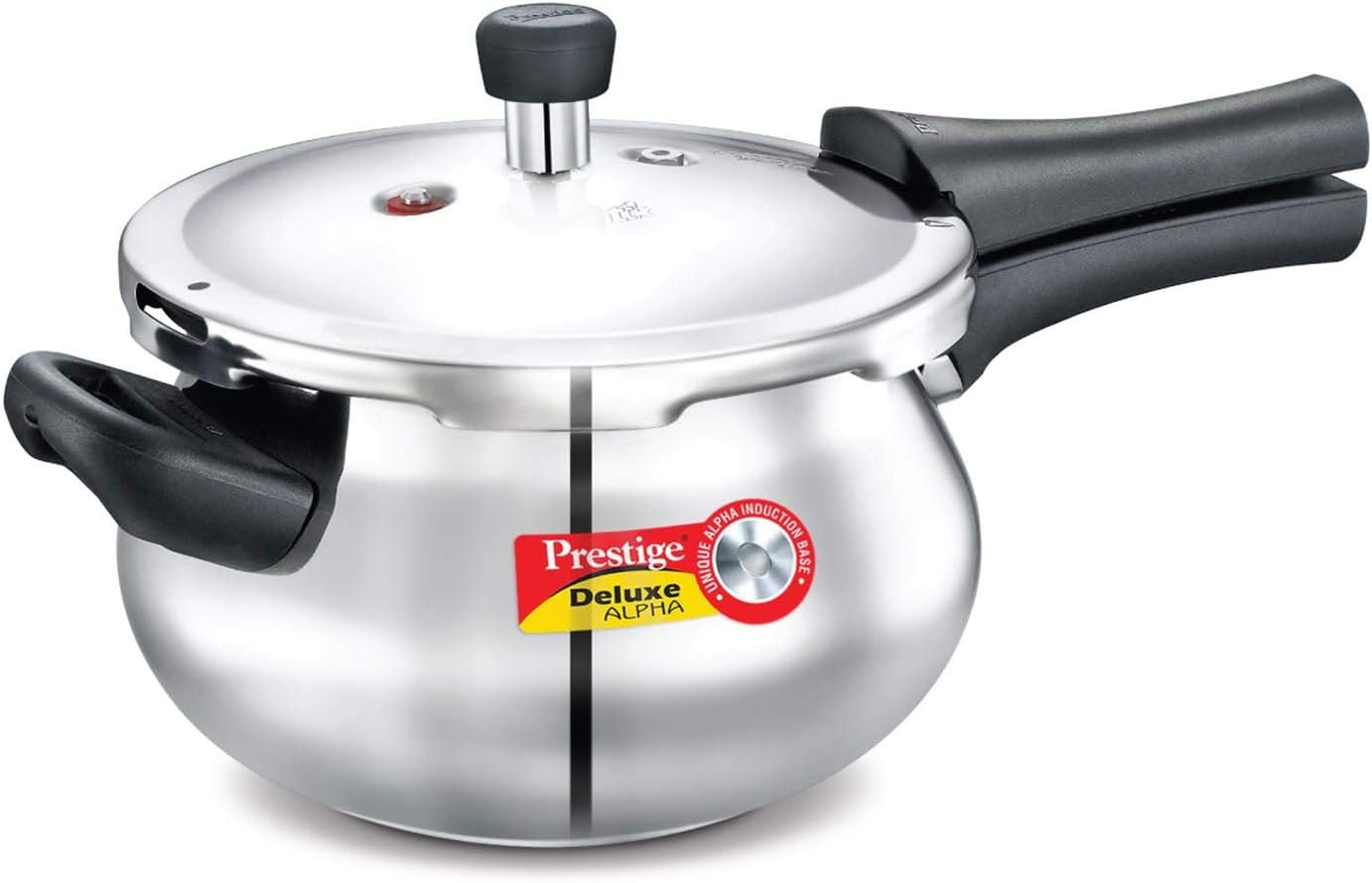
The Small Pot That Earns Its Space: Prestige 3.3-Liter Deluxe Alpha Induction Base Stainless Steel Baby Handi
A handi is a deep, narrow pot, and a baby handi is the small one. Three point three liters sounds like nothing next to a six-quart cooker, and that is exactly the point. This is the pot for rice, dal, a small batch of beans, or a side dish that would rattle around in a bigger vessel.
The narrow profile is the useful part. Less surface area means less evaporation, which matters when you are cooking grains or a thick lentil stew you do not want to reduce into paste. The induction base means it works on the same burners as everything else in the kitchen, including an induction cooktop.
Where it does not work is a family-sized main dish. Three point three liters will not hold a pot roast for five people. Buy it as the second or third pot, the one that handles the sides while the big pot does the main event, or as the only pot if you are cooking for one or two.
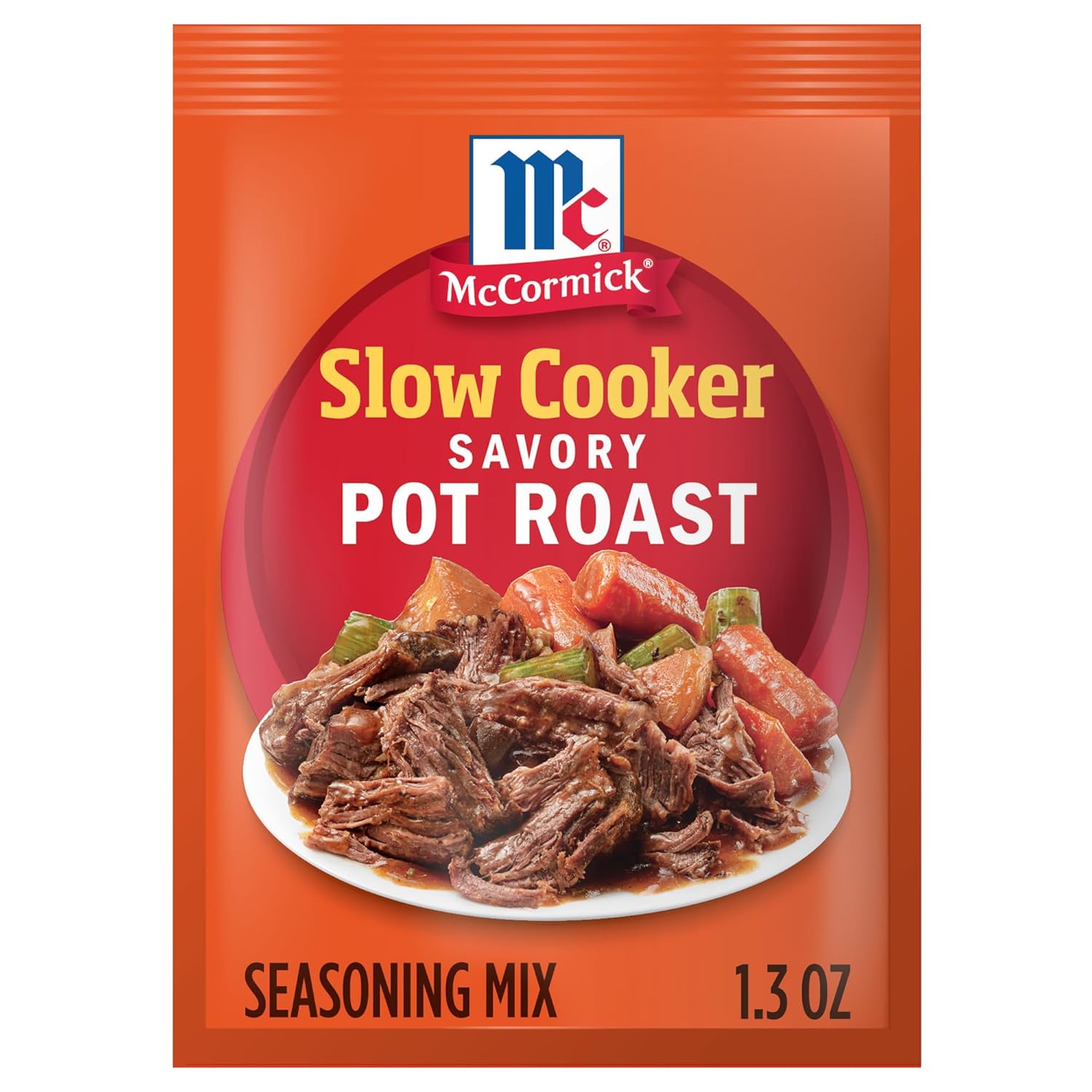
The Flavor Shortcut: McCormick Slow Cooker Savory Pot Roast Seasoning Mix
Pressure cooking is brilliant at tenderness and only okay at layered flavor. Forty minutes under pressure does not build the depth that four hours in a low oven does, which is why the sear matters so much and why a seasoning packet has a real place in this cabinet.
This one is blended for slow cookers, and I will say that plainly. It is not a pressure cooker product. But the blend works as a base when you brown meat first and add your own onion, garlic, and stock, and it is the difference between a decent Tuesday roast and a bland one on a night when you have forty minutes and no interest in measuring six spices.
Keep one in the pantry. Use it when you are short on time, not as a replacement for a real braise. It is a shortcut, and shortcuts should be honest about what they are.
How I judge a stovetop pressure cooker before I buy it
Four questions, in order.
Does it brown? On a stovetop, the answer depends on your burner and the pot's base. A heavy base holds heat and gives you a real sear. A thin one scorches and sticks, and you end up dirtying a skillet anyway, which defeats the entire purpose of owning one pot.
Can I replace the sealing ring? Every cooker I keep has a ring I can order. This is the single most common reason a good pot becomes trash, and it is the check most buyers skip.
What is the usable capacity, not the advertised capacity? Pressure cookers have fill lines, roughly two-thirds for liquids and half for anything that foams. A six-quart pot is closer to four quarts of finished stew. That is still dinner for five with leftovers, but it is not six quarts of chili.
Will it survive thirty weeknight dinners? That is the test that matters. Not the first cook, not the unboxing. The thirtieth dinner, on a night when nobody wants to be in the kitchen.
What the sizes actually mean
Six quarts is the family default. It handles a whole chicken, a three-pound roast, a pot of beans, and enough soup for five people plus a lunch the next day.
Three point three liters is the side-dish pot. Rice, dal, grains, a small batch of beans, and the right size for a household of one or two.
Twenty-three quarts is the volume tool. Stock, big-batch chili, and canning. It is not a weeknight pot and it was never meant to be.
The seasoning packet is not a pot at all, which is exactly why it belongs on this list. The best pressure cooker in the world will not fix an under-seasoned roast at 6:30 on a Tuesday.
The stovetop pressure cooker reference table
This is the table I would hand someone standing in my kitchen, asking which pot to buy first. Capacities come from the product names, not from marketing math.
| Product | Best for | Size | Keep in mind |
|---|---|---|---|
 Visit on Amazon → Visit on Amazon →Presto 01362 6-Quart Stainless Steel Pressure Cooker Visit on Amazon → |
Weeknight dinners for four to six | 6 quarts | Brown in the pot, then lock the lid. Stovetop means you set your own timer |
 Visit on Amazon → Visit on Amazon →Presto 01781 23-Quart Pressure Canner and Cooker Visit on Amazon → |
Canning jars, stock, big-batch chili | 23 quarts | A canner first, a weeknight pot second. Heavy when full |
 Visit on Amazon → Visit on Amazon →Prestige 3.3-Liter Deluxe Alpha Induction Base Stainless Steel Baby Handi Visit on Amazon → |
Rice, dal, sides, small households | 3.3 liters | Deep and narrow, induction base. Not a family-sized main pot |
 Visit on Amazon → Visit on Amazon →McCormick Slow Cooker Savory Pot Roast Seasoning Mix Visit on Amazon → |
Fast pot roast flavor on a weeknight | 1.3 oz packet | Blended for slow cookers. Use it as a base, not the whole recipe |
Should you buy the Presto 01362 6-Quart?
Yes, if you cook for a family and you are willing to learn the stovetop rhythm. It sears in the same pot, it holds pressure without electronics, and stainless steel survives the kind of cooking that happens on a Tuesday. The learning curve is three dinners long. After that, the rattling is just the sound of dinner being on time.
Should you buy the Presto 01781 23-Quart?
Yes, if you can jars, make stock in volume, or cook for a crowd on a schedule. No, if you are looking for a first pressure cooker for weeknight dinners. Buy it as a second tool, after you already own the six-quart pot, and check the sealing ring supply before you commit either way.
Should you buy the Prestige Baby Handi?
Yes, if you cook rice, dal, or grains often, or if your household is one or two people. It is the pot that handles the side dish while the big pot handles the main. If you need one pot to do everything for five people, this is not that pot.
Should you buy the McCormick seasoning mix?
Yes, as a pantry shortcut, not as a technique. It will not replace a real braise and it was not designed for a pressure cooker. But on a night when you have browned the meat and you have forty minutes, it turns a plain roast into something your kids will ask for again. That is a fair trade for a packet.