I have cooked dinner for five people most nights for fifteen years, and I have worn out eleven pressure cookers getting there. Some were electric countertop units with more buttons than my microwave. Some were stovetop pots that rattled like a percolator and taught me to respect a kitchen timer. The stovetop vs electric pressure cookers question is the one readers ask me most, and the honest answer is that it depends on how many people you feed and how much you want to babysit a burner.
Here is the short version. If you cook for one or two and you want to walk away from the pot, the 3 quart electric model below is where I would start. If you feed a family and you want dinner fast, a stovetop pot in the 4 to 5 quart range gets there sooner, and it does it without a control panel that can fail. Everything else in this comparison comes down to size, safety hardware, and cleanup.
The best all-rounder here for a family is the 4.75 quart Universal Ultra stovetop cooker, because the capacity covers four to five servings and the five-layer safety system addresses the part of stovetop cooking that worries beginners. The best pick for one or two people is the NEWBULIG 3 quart electric, because it sets and forgets.
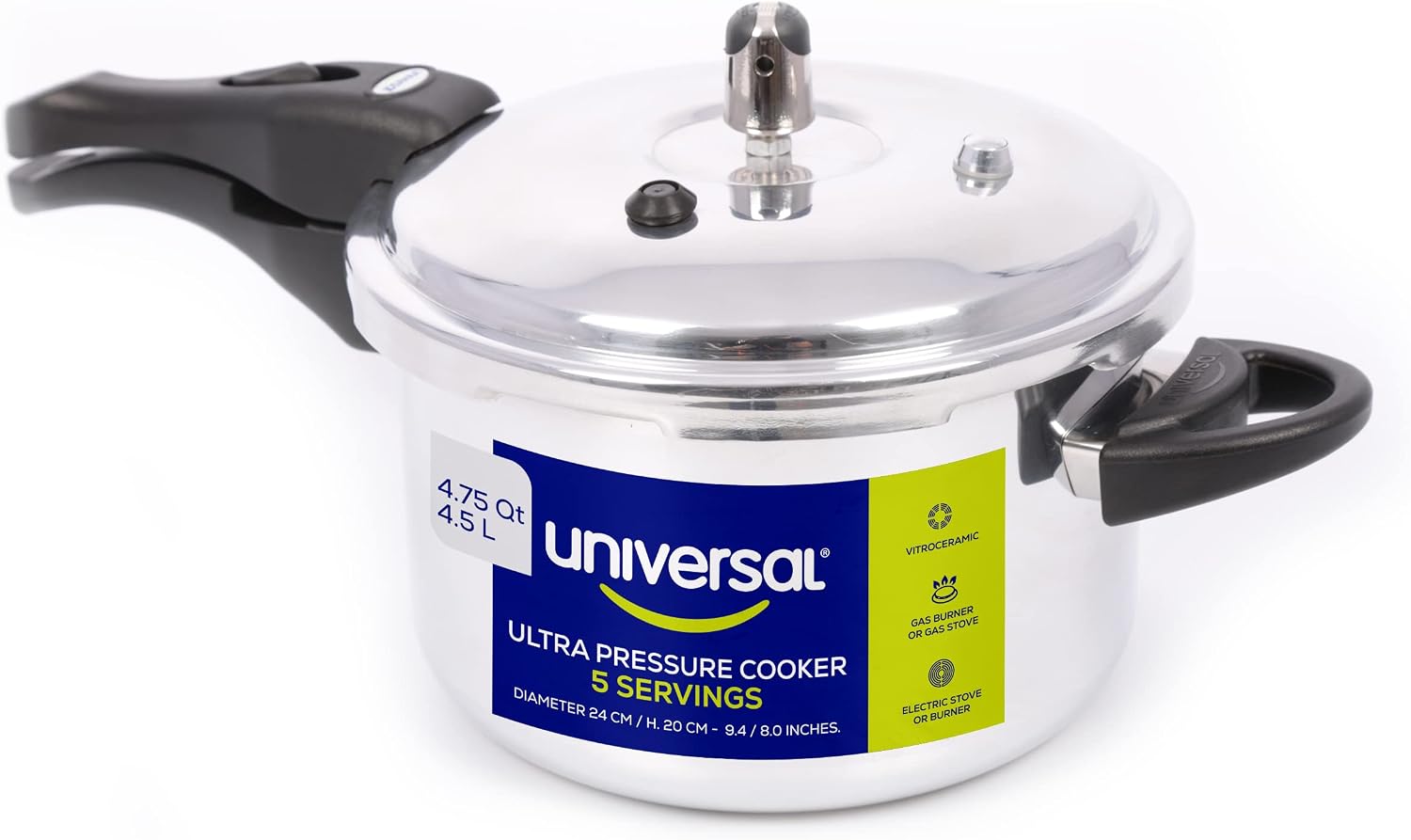
Universal Ultra 4.75 Quart Pressure Cooker
Right size for a family of four or five, five-layer safety system, dishwasher safe body
Stovetop only, so a burner stays occupied and you manage the heat
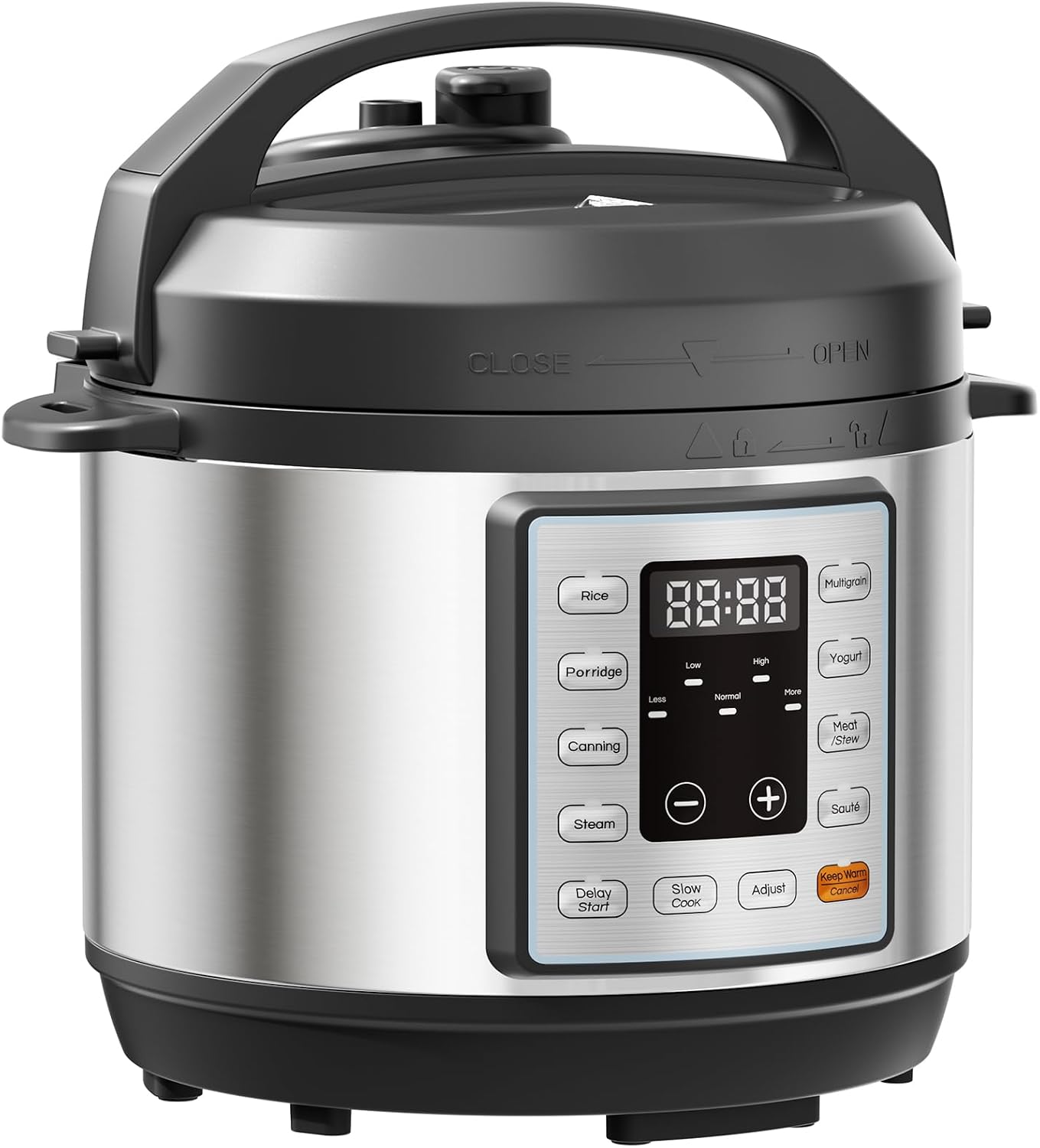
NEWBULIG 10-In-1 Electric Pressure Cooker, 3 Quart
True set-and-forget electric cooking, ceramic inner pot, slow cook function
3 quart capacity is tight past two or three servings
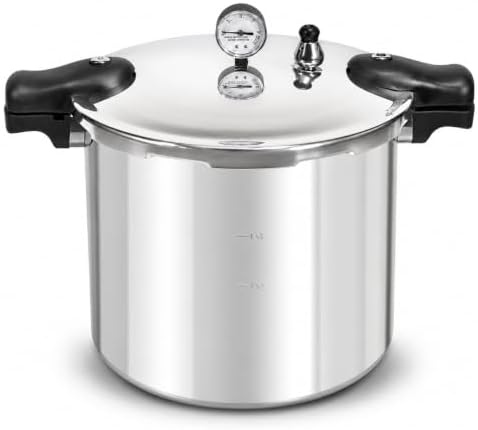
Barton Pressure Canner, 22 Quarts
Enormous 22 quart capacity, pressure gauge, built for canning batches
Far too big for nightly dinner, heavy, stovetop only
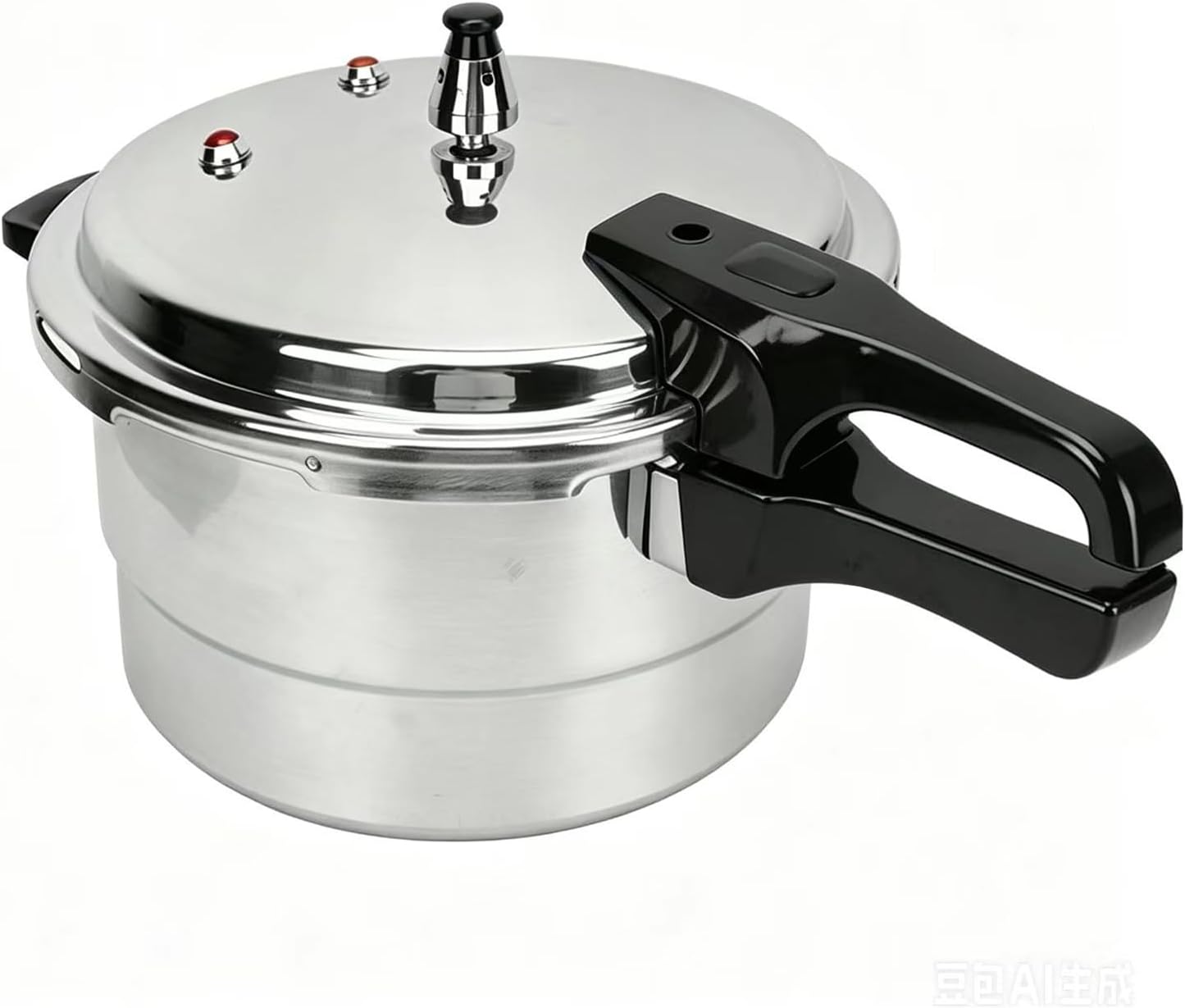
4.2 Quart Pressure Cooker with Magnetic Bottom
Magnetic bottom works on induction and gas, compact footprint, multiple protective devices
Smaller capacity than the 4.75 quart, aluminum body needs care
Prices and availability were captured from Amazon Creators API and may change.
How I judge a pressure cooker
Four questions decide whether a cooker earns permanent counter space in my house. First, does the saute function get hot enough to brown meat without scorching, because a weak saute means I dirty a second pan and lose the whole reason to cook in one pot. Second, does the pot reach pressure quickly and hold it steady, since a cooker that cycles up and down gives you uneven stew. Third, can I buy a replacement sealing ring separately, because that gasket is the part that wears out and holds on to the smell of every chili you have ever made. Fourth, what does cleanup actually look like on a Tuesday night when everyone is hungry and the sink is already full.
Those questions are why I keep pointing most people at the middle of the size range. A 4 to 5 quart pot feeds a family of four with a lunch portion left over. A 3 quart pot is a rice and stew machine for one or two. A 22 quart canner is a different tool entirely, and buying one for weeknight dinners is like buying a box truck to commute.
Electric or stovetop: the real trade-off
The stovetop side of this comparison wins on speed and texture. A stovetop cooker comes up to pressure faster than most electrics, gives you direct control over the heat, and browns better if you are willing to stand there. The cost is attention. You are managing a burner, watching a gauge or a jiggler, and deciding when to pull the pot off. If you have ever been distracted by homework questions and let a pot run dry, you know the risk.
The electric side wins on repeatability. You press a program, the machine counts down, and the keep warm function holds dinner at a safe temperature until the last person gets home. That last part matters more than any cooking chart. For a family with staggered schedules, an electric cooker is the difference between dinner and a bowl of cereal.
My rule after fifteen years: electric for weeknights, stovetop for weekends and for anything where browning matters. If you only own one, decide which of those two nights you have more of.
Universal Ultra 4.75 Quart: the family-size stovetop pot
The 4.75 quart Universal Ultra is the size I would hand to most families first. It is an anti-rust aluminum stovetop cooker rated for five servings, which lines up with a family of four plus a lunch portion. The five-layer safety system covers the usual failure points, and the body is dishwasher safe, which is not something you can say about every aluminum pot in this range.
Aluminum is the right material for this job. It heats fast and evenly, and it is light enough that lifting a full pot off the stove is not an event. What you give up is the ability to brown at high heat the way you would in a stainless skillet, so plan on a quick sear in a separate pan if you want a crust on a roast.
On a stovetop cooker, the sealing ring and the pressure regulator are the two parts to check before you buy. If you can order replacements, the pot has a long life. Visit on Amazon → to see the current listing and whether those parts are offered.
NEWBULIG 10-In-1 3 Quart: the small electric
The NEWBULIG is the only true electric cooker in this group, and it is built for small households. Three quarts is roughly two to three servings of stew, or a solid batch of rice. It is programmable, stainless steel outside with a ceramic inner pot, and it covers rice, stew, and steam along with a slow cook function. The 10-in-1 label is marketing, but the core programs are the ones you will actually press.
Ceramic inner pots are easier to clean than bare metal and they do not react with tomato sauce the way uncoated aluminum can. That is a real advantage on a weeknight when you want to wipe the pot and move on.
The honest limitation is capacity. If you are feeding four people, a 3 quart pot means cooking in two rounds, and two rounds defeats the purpose of a pressure cooker. If you cook for one or two, the size is a feature rather than a compromise, because it comes to pressure faster and takes up less counter space. Visit on Amazon → for the full program list.
4.2 Quart Pressure Cooker with Magnetic Bottom: the induction-friendly compact
The magnetic bottom is the interesting spec here. It means this aluminum alloy pot is built to work on induction cooktops as well as gas, which is not true of most plain aluminum stovetop cookers. If you have an induction range, that one detail narrows your options fast, and this 4.2 quart pot is the one in this comparison that covers it.
At 4.2 quarts it sits just under the Universal Ultra, so it feeds four with a little less margin. It has a release valve and multiple protective devices, which is the safety language you want on a stovetop cooker. It is also listed as pressure canner compatible, though I would treat any 4.2 quart pot as a small-batch canner at best. Real canning runs live in much larger pots.
If you cook on induction and you want stovetop speed in a compact footprint, this is the pick. Visit on Amazon → to confirm the compatibility notes for your range.
Barton 22 Quarts: the batch canner
The Barton is not a weeknight dinner cooker. It is a 22 quart stovetop pressure canner with a pressure gauge, a release valve, and a locking system, sized for putting up a season of tomatoes, green beans, or stock in one afternoon. The gauge is the important feature, because canning requires holding a specific pressure for a specific time, and a jiggler weight alone does not tell you what you need to know.
Twenty-two quarts also means weight. A full canner is heavy, it takes up a whole burner, and it needs a stove that can carry it. It takes a long time to come up to pressure, which is fine when you are processing twelve jars and terrible when you just want dinner.
Buy this if you garden, if you hunt, or if you buy meat in bulk and want shelf-stable results. Do not buy it as your only pressure cooker. Visit on Amazon → to check the current listing.
Capacity math: quarts per person
A rough formula that has served me well: figure 1 to 1.25 quarts of cooker capacity per person, then add a quart if you want leftovers. Four people means a 5 quart pot. Two people means 3 quarts. Six people means you are either cooking in an 8 quart electric or moving to a stovetop pot and accepting that you will fill it to the maximum line.
The fill line matters more than the nominal size. Every pressure cooker has a maximum fill, usually two thirds for liquids and half for foods that expand or foam, like beans and rice. A 4.75 quart pot filled to two thirds is really a 3 quart pot in practice. That is why I would rather own a slightly bigger cooker than a slightly smaller one, as long as the burner and the cabinet can take it.
Cleanup, sealing rings, and the parts that wear out
Cleanup is where electric cookers quietly win. The inner pot lifts out, the lid wipes down, and the heating element stays dry. A stovetop aluminum pot is heavier and you are washing the whole thing, though the Universal Ultra is listed as dishwasher safe, which helps.
The sealing ring decides whether a cooker is a tool or a disposable appliance. Silicone holds on to strong smells, and a ring that has cooked a hundred batches of chili will perfume your rice. Replace it once a year, or every six months if you cook a lot of curry. If a manufacturer does not sell replacement rings, I would not buy the cooker, no matter how good the sale price looks.
The other consumable is the pressure regulator or valve. Stovetop cookers use a weight or a spring valve, and both can be replaced on a well-supported model. Check that before you commit.
Trade-offs and who should buy what
Buy the 4.75 quart Universal Ultra if you feed four or five people, you want stovetop speed, and you are willing to stand near the stove. It is the best balance of capacity and safety hardware in this group.
Buy the NEWBULIG 3 quart if you cook for one or two, you want to set a program and walk away, and counter space is tight. The slow cook function gives it a second life on days when you want dinner ready when you get home.
Buy the 4.2 quart pot with the magnetic bottom if you cook on induction. That spec is the reason to choose it over the Universal Ultra, and the compact size suits a couple or a small family.
Buy the Barton 22 quart only if you can, freeze, or preserve in volume. It is the right tool for a different job, and it will frustrate you if you use it for spaghetti night.
What none of these solve is the learning curve. Every stovetop cooker here requires you to learn its sounds and its timing. Electric cookers trade that curve for a control panel and a beep. Neither is foolproof, and both reward you for reading the manual once.
The bottom line
Pressure cooking is patience with a timer, and the pot matters less than the habit of using it. Match the capacity to the number of people at your table, confirm you can buy a replacement sealing ring, and pick the power source that fits your actual weeknights rather than the ones you wish you had. Do that, and any of the four cookers here will earn its cabinet space.