Buying a pressure cooker in 2026 means choosing between two very different families of appliance: electric multi-cookers with digital programs and a sealed heating base, and stovetop models that clamp onto a burner and rely on a weighted valve plus your own timing. Both can pull a pot of beans or a pork shoulder down to a fraction of the time a conventional pot needs, and both turn frustrating quickly if you pick the wrong size, the wrong power source, or a model whose sealing ring you cannot buy separately. This roundup covers the best pressure cookers and the small parts that keep them in service, including an 8-quart electric top pick, two aluminum stovetop cookers, a compact 4-quart electric model, a two-pack of replacement sealing rings, and a beginner-friendly recipe and technique book. The lens throughout is weeknight cooking for a household that eats dinner at a set time and cleans up afterward.
Related: Instant Pot vs Stovetop Pressure Cooker: Which One Fits Your Kitchen?
Quick answer
The Instant Pot Pro 8 Qt 10-in-1 Electric Pressure Cooker, Black is the strongest fit for feeding four or more people on a weeknight schedule because it pairs an 8-quart capacity with a 10-in-1 electric design, so one appliance covers pressure cooking plus several other countertop jobs. Choose the IMUSA 7 Quart Stovetop Aluminum Presure Cooker with safety valves for risk-free opening instead when you want manual stovetop control, a lighter pot, and a design with no electronics to plug in or store.
Pressure cookers worth comparing
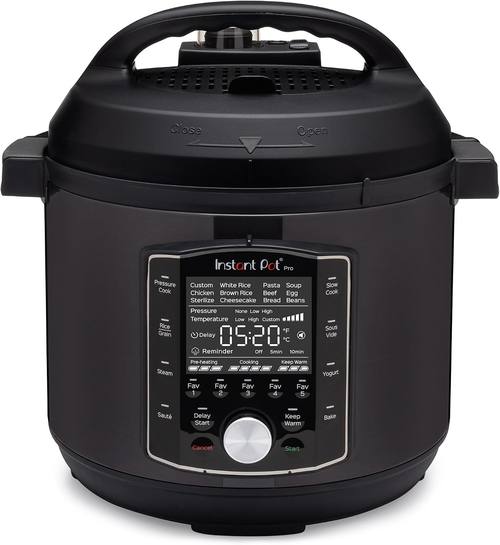
Instant Pot Pro 8 Qt 10-in-1 Electric Pressure Cooker, Black
A 10-in-1 electric pressure cooker with an 8-quart capacity, sized for households that want one countertop appliance to handle several cooking jobs.
Visit on Amazon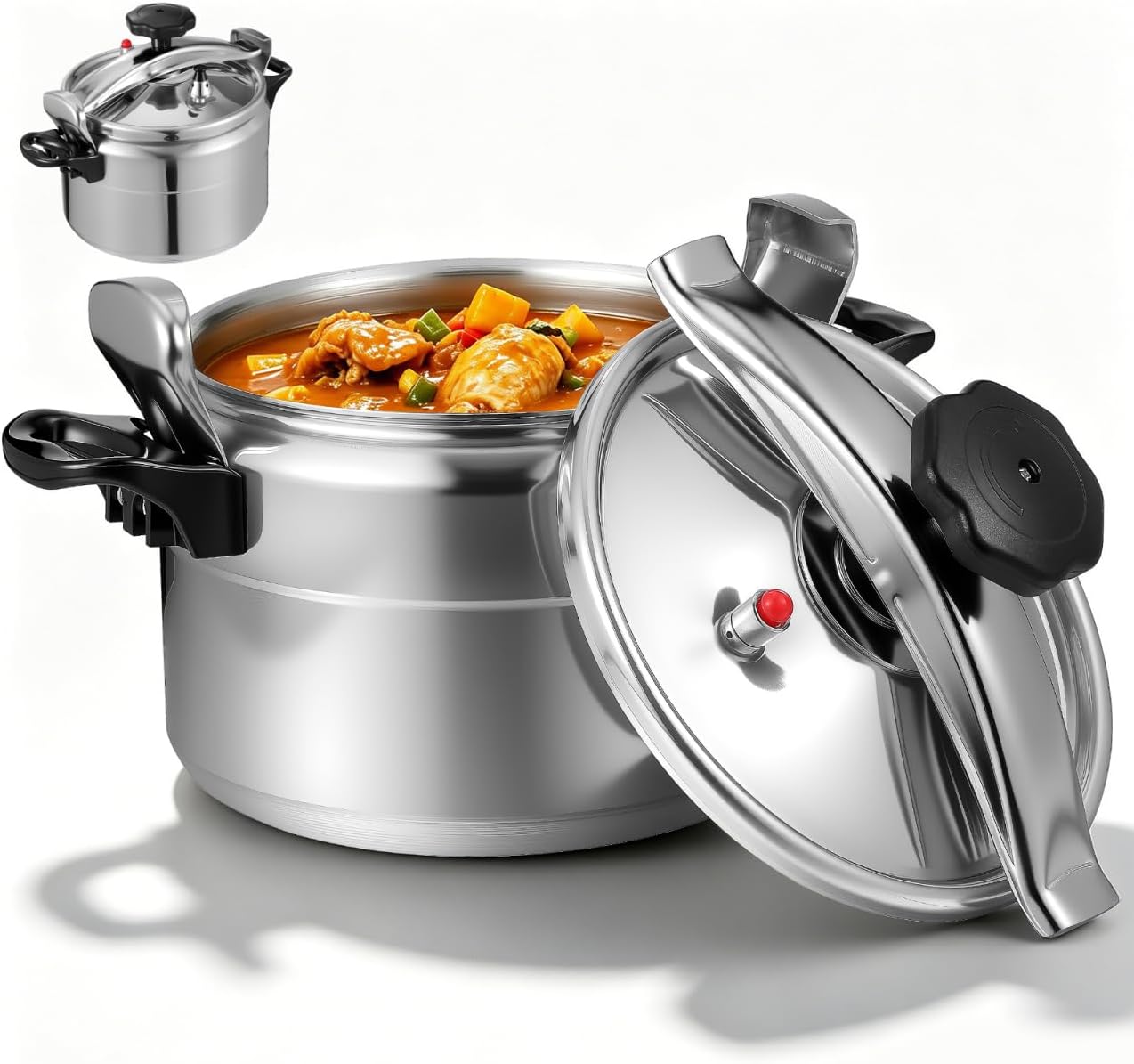
7L Pressure Cooker Aluminum Silver Multi-Cooking Stovetop Pressure Cooker
A 7-liter aluminum stovetop pressure cooker built for multi-cooking on a standard burner, with no electronics or cords involved.
Visit on Amazon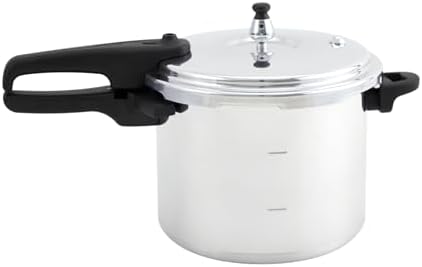
IMUSA 7 Quart Stovetop Aluminum Presure Cooker with safety valves for risk-free opening
A 7-quart aluminum stovetop cooker that lists safety valves and a risk-free opening design among its features.
Visit on Amazon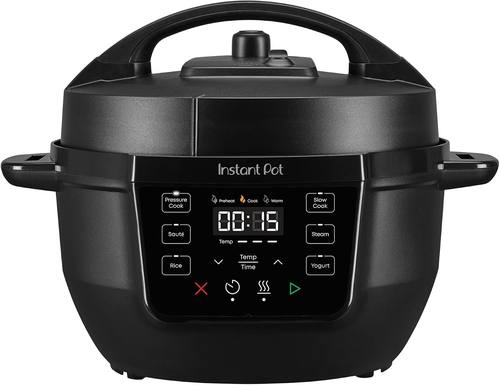
Instant Pot Rio Mini 4 Qt 7-in-1 Electric Pressure Cooker, Black
A compact 7-in-1 electric pressure cooker with a 4-quart capacity, suited to smaller batches, side dishes, or a short stretch of counter.
Visit on Amazon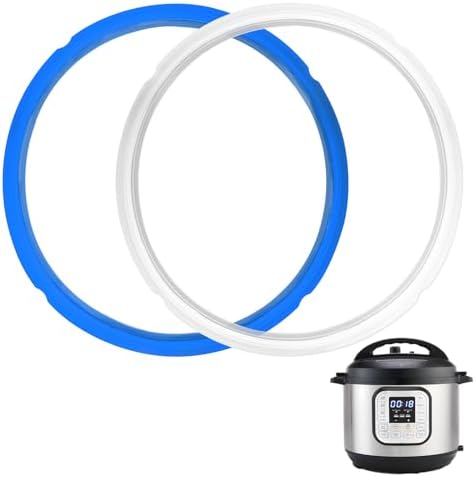
2 Pack Sealing Ring 6QT for Instant Pot, Food-Grade Silicone Seal Rings Replacement for Instant Pot 6 Quart, Gasket for Instantpot Sealing Ring 6 Qt Clear, Blue
A two-pack of food-grade silicone sealing rings sized for 6-quart Instant Pot models, one clear and one blue, for swapping out an odor-holding gasket.
Visit on Amazon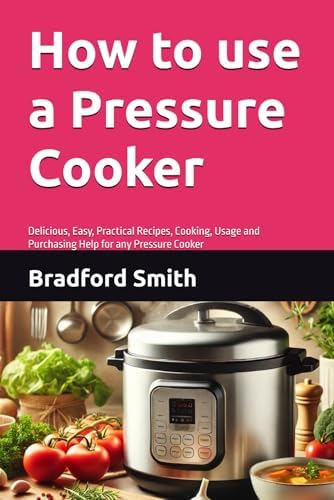
How to use a Pressure Cooker: Delicious, Easy, Practical Recipes, Cooking, Usage and Purchasing Help for any Pressure Cooker (The Ultimate Home Cooking Series)
A recipe and reference book covering recipes, cooking technique, usage, and purchasing help for pressure cookers of any type.
Visit on AmazonPrices and availability may change. Check the retailer for current details.
How these products were compared
This guide compares capacity and realistic batch size, power source and how each cooker fits into a working kitchen, the number and usefulness of built-in programs, whether the sealing ring and other wear parts can be replaced separately, and how much counter or cabinet space a unit asks for. Lid and valve design also matter, because venting behavior is one of the most common complaints about any pressure cooker, electric or stovetop. Product names, images, and retailer links are matched to the same verified listings so that every card points to the product shown.
This is a specification and design comparison rather than a lab test. Where a question depends on your own kitchen, such as whether an 8-quart pot clears the cabinets above your counter, that question is raised in the sections below instead of being answered as a measured result. Nothing here replaces the safety instructions and maximum fill lines that ship with the cooker you buy.
How to choose the right pressure cooker
Start with the number of people you actually feed, then work backward to capacity. A 4-quart cooker is a good match for one or two eaters, or for a side dish alongside a larger main. A 7-quart or 8-quart model is the range that handles a whole chicken, a big batch of chili, or a week of meal-prepped grains without hitting the maximum fill line. Remember that pressure cookers are not meant to be filled to the brim: manufacturers specify a fill limit, and going past it is a safety issue, not just a mess. That headspace is the reason a 6-quart pot that looks generous in photos can feel tight when you are cooking for five.
Next, decide between electric and stovetop, because the two are not interchangeable in daily use. An electric multi-cooker runs on a timer and shuts itself down, which is what makes it workable on a weeknight when you are also helping with homework. A stovetop aluminum cooker heats fast, takes up cabinet space instead of counter space, and gives you direct control over the burner, but it needs you nearby and it demands that you learn its valve and its timing. The third decision is repairability. Check that the model's sealing ring, and ideally its valves, can be bought on their own. A gasket that only comes bundled with a new appliance effectively shortens the life of a cooker that otherwise works fine, and rings do absorb the smell of strong spices over time. If you are unsure which of your pots is due for a gasket, when to replace a pressure cooker sealing ring walks through the signs.
Finally, look past the program count. Ten or twelve labeled buttons often resolve to the same pressure level and the same heating element, and a model with a handful of well-chosen functions will cook the same beans just as well. If you sear meat before pressure cooking, pay attention to whether the cooker has a browning function and how the manufacturer describes it, because a weak browning step means a second pan and a second cleanup. A keep-warm function matters more than most people expect: it is the difference between dinner being ready when you walk in and dinner being ready at a time you have to guess.
Instant Pot Pro 8 Qt 10-in-1 Electric Pressure Cooker, Black
The top pick here is the largest electric model in this group. The Pro is an 8-quart, 10-in-1 electric pressure cooker, which in practical terms means a big inner pot, a sealed electric base with digital controls, and a set of built-in programs covering pressure cooking plus other countertop tasks. For a household cooking for four or more, the capacity is the headline feature: an 8-quart pot gives you room to cook a large cut of meat or a full batch of soup without crowding the fill line, and the leftovers are the point.
The trade-off is physical size and dependence on a cord. An 8-quart electric cooker occupies a real footprint on the counter and is heavy to move in and out of a cabinet, so it rewards a permanent parking spot. It also will not work during a power outage, and it cannot be used on a burner, which is where a stovetop aluminum cooker has an advantage. One more practical note: because this is an 8-quart model, the 6-quart sealing rings listed in this roundup are not the matching replacement part. If you buy the Pro, confirm the correct ring size for the 8-quart body before you shop for spares.
Alternatives to consider
The IMUSA 7 Quart Stovetop Aluminum Presure Cooker with safety valves for risk-free opening is better suited to cooks who want direct burner control and a lighter, cordless pot, and who value a design that lists safety valves and a risk-free opening mechanism among its stated features. The 7L Pressure Cooker Aluminum Silver Multi-Cooking Stovetop Pressure Cooker is a stronger fit when you prefer a stovetop multi-cooker in a comparable 7-liter size and want an alternative aluminum body to compare against it on price and lid design.
The Instant Pot Rio Mini 4 Qt 7-in-1 Electric Pressure Cooker, Black, the 2 Pack Sealing Ring 6QT for Instant Pot, and How to use a Pressure Cooker cover the rest of the ground. The Rio Mini is the small-batch electric option for one or two people, or for cooking a side while the main pot works. The sealing rings are the maintenance purchase: two food-grade silicone gaskets sized for 6-quart Instant Pot models, in clear and blue, so you can keep one in service while the other is washed or aired out. The book is the on-ramp, a recipe and technique reference that also covers purchasing and general usage for pressure cookers of any type.
Day-to-day use and maintenance
The sealing ring is the part that decides how long a cooker stays pleasant to own. Silicone holds onto the aroma of chili, curry, and pulled pork, and a ring that smells like last week's dinner will pass some of that along to this week's rice. Buying a second ring and alternating between them is the simplest fix, and it is also why the ring's availability matters at purchase time. Rings are a wear item, not a lifetime component, and they should be inspected for cracks, stretching, or a loose fit in the lid. A ring that will not seal means the cooker never reaches pressure, which reads as a broken appliance when it is usually a small part.
For electric models, keep the outer base and the heating element dry. The inner pot, lid, and ring can be washed, but the base should be wiped rather than submerged, and the condensation collector, if the model has one, needs emptying. For stovetop models, follow the manufacturer's instructions on valve inspection and never force a lid open while pressure remains. Across both types, respect the fill lines, use the release method the recipe calls for, and give the pot time to come down naturally when a recipe asks for it. Quick release is fine for vegetables and risky for large cuts of meat, where an abrupt pressure drop can toughen what you spent an hour tenderizing. Venting also deserves respect: position the cooker so the steam vent does not point at a cabinet, and keep hands and face clear when you release.
Buying checklist
- Measure your counter and cabinet clearance, especially for an 8-quart electric model.
- Choose capacity based on normal weeknight meals rather than the largest holiday batch you cook once a year.
- Choose electric or stovetop based on how much attention you can give the pot at dinner time.
- Confirm that the exact model you buy has a sealing ring you can order separately, in the right size.
- Check whether the cooker has a browning or saute function if you plan to sear before pressure cooking.
- Read the cleaning and maintenance instructions, including which parts can be washed and which cannot.
- Verify the current retailer price, availability, and return terms before you commit.
Final recommendation
Choose the Instant Pot Pro 8 Qt 10-in-1 Electric Pressure Cooker, Black when you feed a crowd on a schedule and want one large electric appliance to cover pressure cooking and several other jobs, and when the counter space is available. Choose the IMUSA 7 Quart Stovetop Aluminum Presure Cooker with safety valves for risk-free opening when you want manual burner control, a lighter pot, and a stovetop design with no electronics. Add the sealing ring two-pack if you own a 6-quart Instant Pot, and treat the pressure cooker book as the low-risk way to learn technique before you commit to a larger purchase. Where the verified specifications do not clearly separate two models for your kitchen, treat that as a signal to decide on size and power source rather than on the number of buttons on the front.