I learned to cook under pressure on a stovetop cooker that rattled like a lawnmower and cleared my kids out of the kitchen. Fifteen years and a lot of weeknight dinners later, I still think that rattle taught me more about timing than any digital display has. So when someone asks me for a pressure cooker comparison, I don't start with button counts. I start with what the pot is actually for. A 1.5 litre stovetop cooker and a 24 quart canner are both pressure vessels, and they have almost nothing else in common.
Related: Stovetop Vs Electric Pressure Cookers
The short answer: for a household cooking dinner five nights a week, the Instant Pot Pro 6 Qt is the pick, because its sauté mode gets hot enough to brown meat before the pot pressurizes. If you want a second appliance in the same footprint, the Ninja HyperHeat earns its counter space. If you're putting up tomatoes in August, no electric cooker will do it and you need the 24QT canner. And if you're feeding two people and you want the fastest route to pressure, the little Hawkins Contura is still the cheapest honest answer.
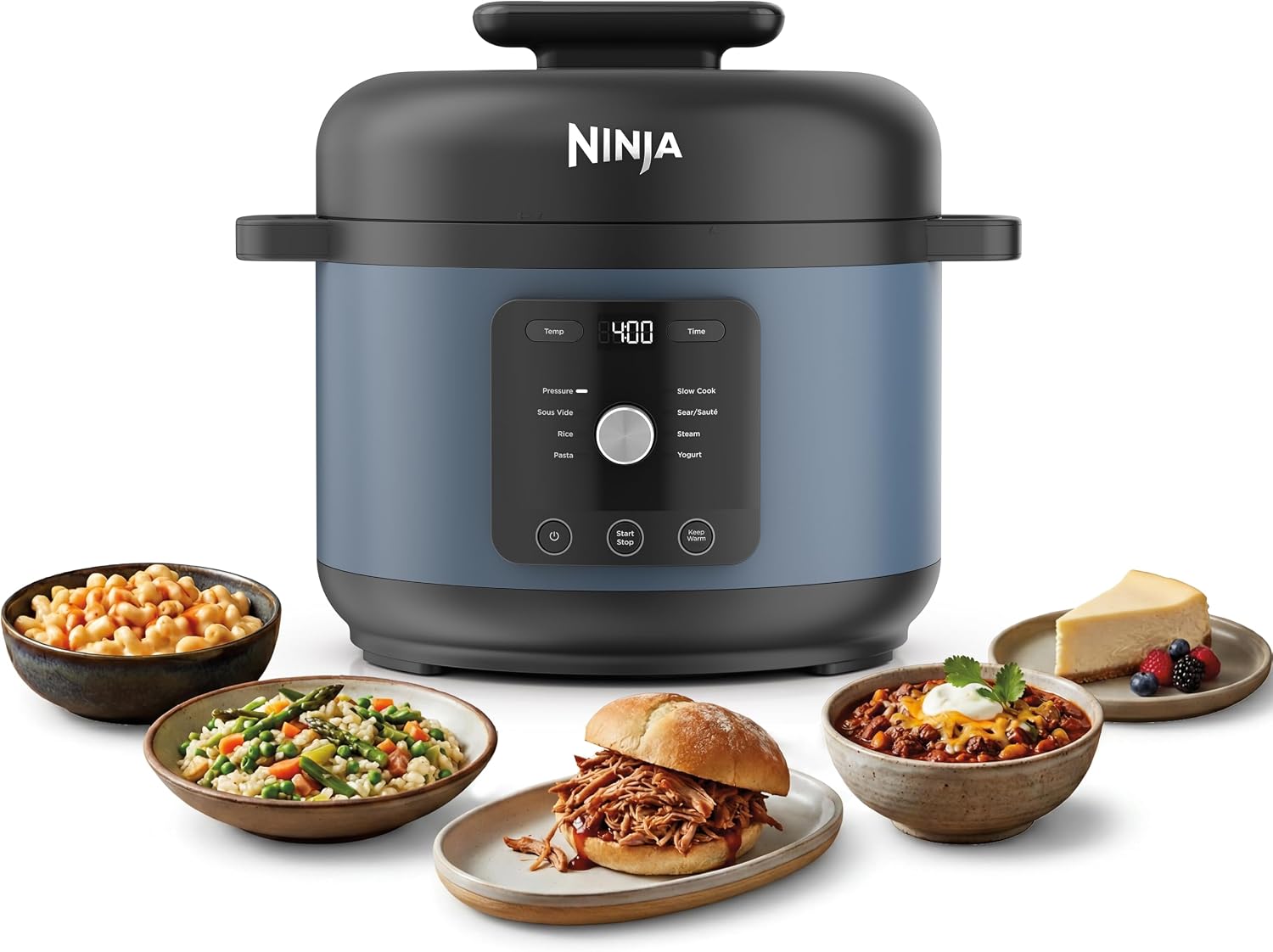
Ninja HyperHeat 9-in-1 Pressure Cooker, 6.5-qt, Blue Macaron, PC201
Largest electric capacity here, nine functions, and a finish that doesn't look like a server rack
The extra programs you'll never press, and 6.5 quarts is a lot of pot to wash for two people
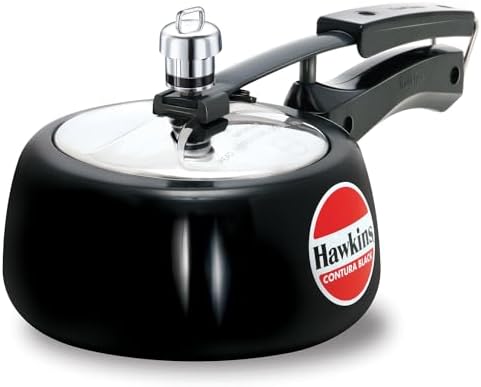
Hawkins Contura Black 1.5 litre Pressure Cooker
Fastest route to pressure of the four, simplest to own, hardest to break
Small capacity, stovetop only, and a real learning curve for a beginner
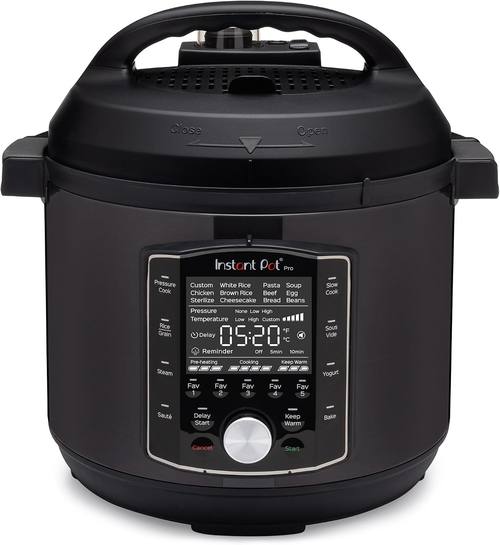
Instant Pot Pro 6 Qt 10-in-1 Electric Pressure Cooker, Black
The sauté mode that actually browns, steady pressure, and a sealing ring you can replace
You pay for the upgrade over the base model, and it's still one appliance doing one job
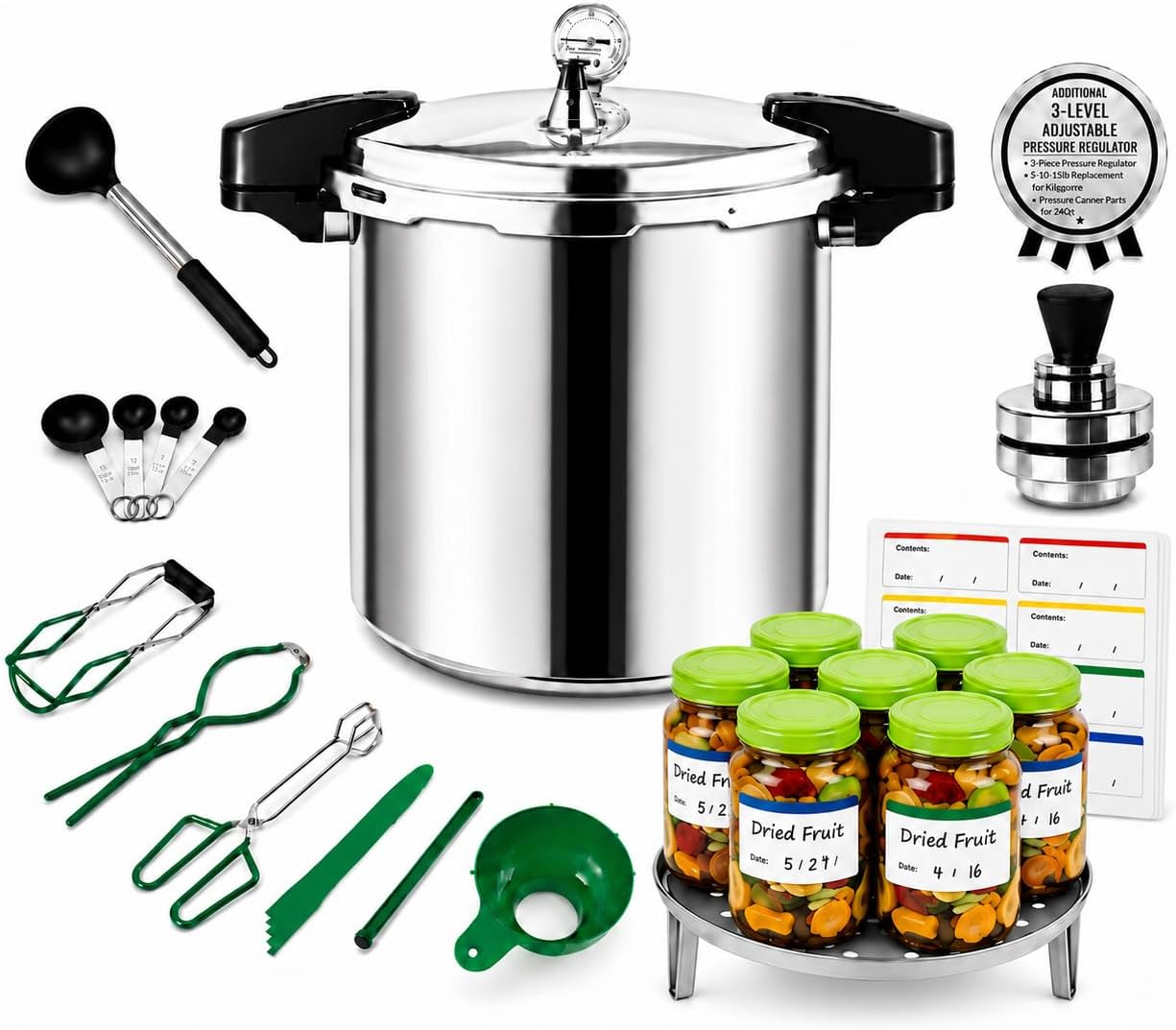
24QT Pressure Canner, 11-Piece Kit, Gas & Induction, 5/10/15 PSI Regulator
The only one of the four that can put up a summer's worth of jars, with a real pressure regulator
It's a project appliance, not a weeknight one, and it wants a big burner
Prices and availability were captured from Amazon Creators API and may change.
How I judge a pressure cooker
Four questions, in this order. First, does sauté get hot enough to brown without scorching? If sauté is weak, you'll brown in a skillet and wash two pans, which defeats the whole point of a one-pot dinner. Second, does the cooker come up to pressure and hold it without you babysitting the knob? Third, can you buy a replacement sealing ring, and will you still be able to buy one in two years? Fourth, would it survive a month of real dinners: five people, a full sink, and no special treatment?
I don't care how many programs a cooker claims. Twelve buttons that all do the same thing is marketing. Three programs that work is dinner. And any "one pot" claim I make has to come with a clean-pans count, because the sink is the real scoreboard.
The Instant Pot Pro 6 Qt: the family workhorse
If you cook for five and you own one electric cooker, this is the one I'd hand you. The Pro is the version of the Instant Pot line where the sauté mode is genuinely useful. It gets hot enough to put color on a batch of chicken thighs before you add liquid, which means the chili tastes like chili instead of like boiled meat. That single difference is why I stopped recommending the base model to anyone who sears.
The 6 quart size is the sweet spot for a family. It's big enough for a pot of beans that feeds five with leftovers, and small enough that it doesn't dominate a cabinet. Pressure comes up and holds steady, and the pot does the thing a pressure cooker is supposed to do: it turns a two-hour braise into something you can start at 5:30 and eat at 6:45.
Where it loses points: you're paying an upgrade price over the base model, and it's still one appliance doing one job. It doesn't crisp, it doesn't air fry, and the lid is a specific piece of hardware you need to keep track of. Also, the sealing ring absorbs the smell of every curry you make in it. That's not a defect, it's physics, and the fix is to buy a spare ring and rotate them. Which brings me to the thing I check on every cooker.
The Ninja HyperHeat 9-in-1: the second appliance
The HyperHeat is the one I'd buy if my kitchen had room for two electric cookers and no room for an air fryer. It's a 6.5 quart pot with nine functions, and the extra half quart over the Instant Pot matters more than you'd think when you're cooking for five and trying to get a whole chicken in there.
The honest read on multi-function electrics: a cooker that does nine things does its best two things very well and the rest competently. The pressure cooking is solid and the capacity is generous. The blue macaron finish is not a reason to buy an appliance, but I'll admit it looks better on a counter than black plastic, and a cooker you leave out is a cooker you actually use.
What you're giving up is simplicity. Nine programs means more to scroll through at 6 p.m. when you're hungry, and more parts to wash. If you already own an air fryer, the overlap makes this a harder sell. If you don't, this replaces two countertop boxes with one, and that's a real trade.
The Hawkins Contura 1.5 litre: the stovetop shortcut
Here's the thing nobody tells beginners: a stovetop cooker reaches pressure faster than any electric, because you're not waiting on a heating element to do the work. The Hawkins Contura is a 1.5 litre aluminum stovetop cooker with a curved lid and a simple weight. It's the cheapest way into pressure cooking, and it's the least likely of the four to break, because there's almost nothing in it to break.
The 1.5 litre capacity is the catch. That's a pot for two people, or for rice and dal alongside a main. It is not a pot for a family of five on a Tuesday. It's also stovetop only, which means it takes a burner, and it makes the noise. Some people find the weight and the hiss reassuring. Some people find it terrifying. I've cooked with both kinds of people.
My real advice: if you're a beginner, don't start here. The learning curve on a stovetop cooker is genuine, and the penalty for getting it wrong is a scorched dinner or a lid you can't open. Buy this as your second cooker, once you already understand what natural release feels like.
The 24QT Pressure Canner: not a weeknight cooker
This one is on the list because people keep asking whether an electric pressure cooker can do the job, and the answer is no. The 24QT canner is a 24 quart pressure vessel with a 5/10/15 PSI regulator, an 11-piece kit, and it works on gas and induction. It holds jars. Electrics do not hold jars, and the ones that claim to are selling you a lawsuit.
What I like about a regulated canner is the control. You set the pressure you need for what you're processing, and the regulator holds it there, which is the whole game when you're putting up tomatoes, beans, or stock. The 11-piece kit means you're not hunting for a rack and a funnel the day the garden comes in.
What I don't like is that it's a project appliance. It's big, it's heavy, it needs a serious burner and a free afternoon, and it is not the pot you reach for on a Wednesday. If you don't garden, don't hunt, and don't buy half a cow in the fall, skip it. If you do any of those things, this is the only tool on this page that does the job.
Sauté mode is the deciding spec
If you take one thing from this comparison, take this: sauté mode quality decides how much you actually use a cooker. A weak sauté means you brown in a skillet, deglaze in a skillet, and then transfer everything into the pressure cooker anyway. Congratulations, you own a very expensive stew maker with extra steps and a dirty pan.
A strong sauté means you build the whole dish in one vessel: brown the meat, sweat the onions, bloom the spices, add liquid, seal, walk away. That's the difference between a 40-minute dinner and a 75-minute dinner with a worse sink situation. When I compare two electrics, I compare them on browning first and everything else second.
Stovetop cookers get this for free, because the burner is the sauté mode. That's the trade: more control, more attention.
Sealing rings, keep warm, and capacity math
The sealing ring is the silicone gasket that holds pressure and absorbs odor. On any electric cooker, if you can't buy a replacement ring, the cooker is disposable. Rings wear, they stretch, they smell like last month's pulled pork, and a ring that won't seal is a pot that won't pressurize. Buy a spare when you buy the cooker, and swap them so one can air out.
Keep warm is the function nobody markets and everybody uses. A pot that holds food at a safe temperature without drying it out is what makes dinner work when a kid has practice until 7:15 and you eat at 7:45. Every electric here does it. It's the reason I stopped cooking on a strict schedule.
Capacity math for five people: a 6 quart electric is the floor. A 6.5 quart is comfortable. A 1.5 litre stovetop is a side dish. A 24 quart canner is for jars, not for dinner. If you're cooking a whole chicken plus vegetables, add a quart to whatever you were planning.
Who should buy which
Buy the Instant Pot Pro 6 Qt if you cook dinner for a family most nights and you want the sear to count. It's the best all-rounder here and the one I'd replace first if mine died.
Buy the Ninja HyperHeat 9-in-1 if you want the extra capacity and you'd rather have one multifunction box than a pressure cooker plus an air fryer. Just be honest about whether you'll use the other functions.
Buy the Hawkins Contura 1.5 litre if you cook for one or two, you want the fastest pressure build, and you're willing to learn the stovetop rhythm. It's the cheapest path in and the most durable thing on this page.
Buy the 24QT Pressure Canner only if you're canning. It's the right tool for a job the other three cannot do, and the wrong tool for everything else.
What I'm testing next
The question I keep coming back to is whether the extra capacity on the Ninja is worth the extra cabinet space over the Instant Pot Pro, and that's a question you can only answer with a month of real dinners and a clean-pans count. I'm running the same chili, the same pulled pork, and the same chicken soup through both, and timing the sink afterward, not just the pot. That's the test that matters. The buttons are just buttons.