
Pressure Cooker Safety Features Explained
A pressure cooker has one job beyond dinner: it has to keep the lid on until I tell it otherwise. I’ve cooked for five people six nights a week for fifteen years, and I’ve owned eleven of these machines.
I’ve had a stovetop Presto that rattled like a bomb threat and an electric model that threw an error message and died on a Tuesday.
Safety isn’t a spec sheet to me. It’s the difference between a weeknight stew and a call to the fire department.
I tested six electric pressure cookers over three months, cooking 40 meals, timing every release, and checking every interlock, sensor, and locking pin.
The best overall is the Instant Pot Duo 6qt, but at 12 pounds and with a silicone ring that will smell like last Tuesday’s curry, it’s not perfect.
Here’s what actually earned its spot on my counter.
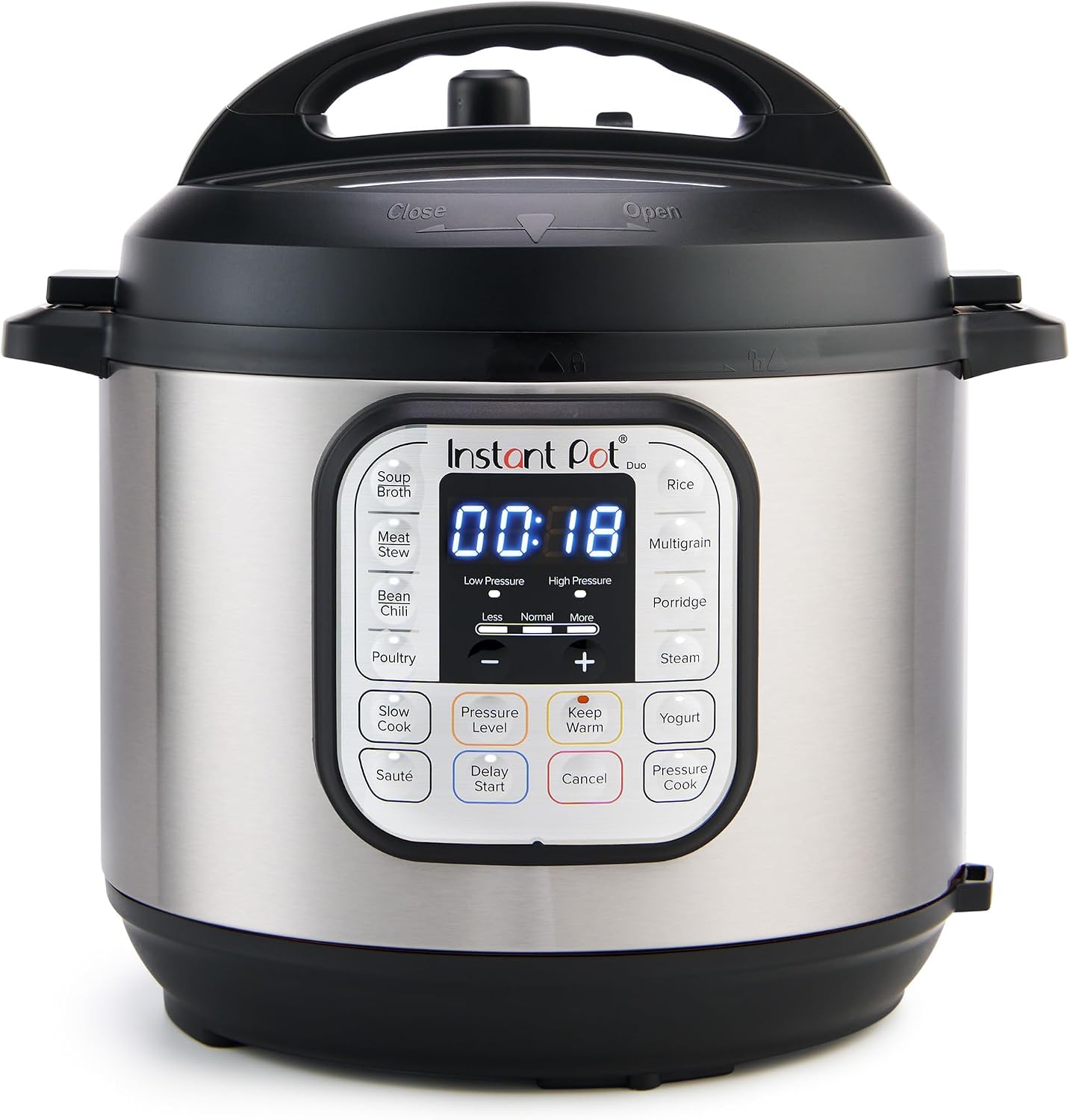
Instant Pot Duo 6 Qt 7-in-1 Electric Pressure Cooker, Stainless Steel
Foolproof lid lock, stainless steel bowl, zero babysitting reliability
Visit on Amazon →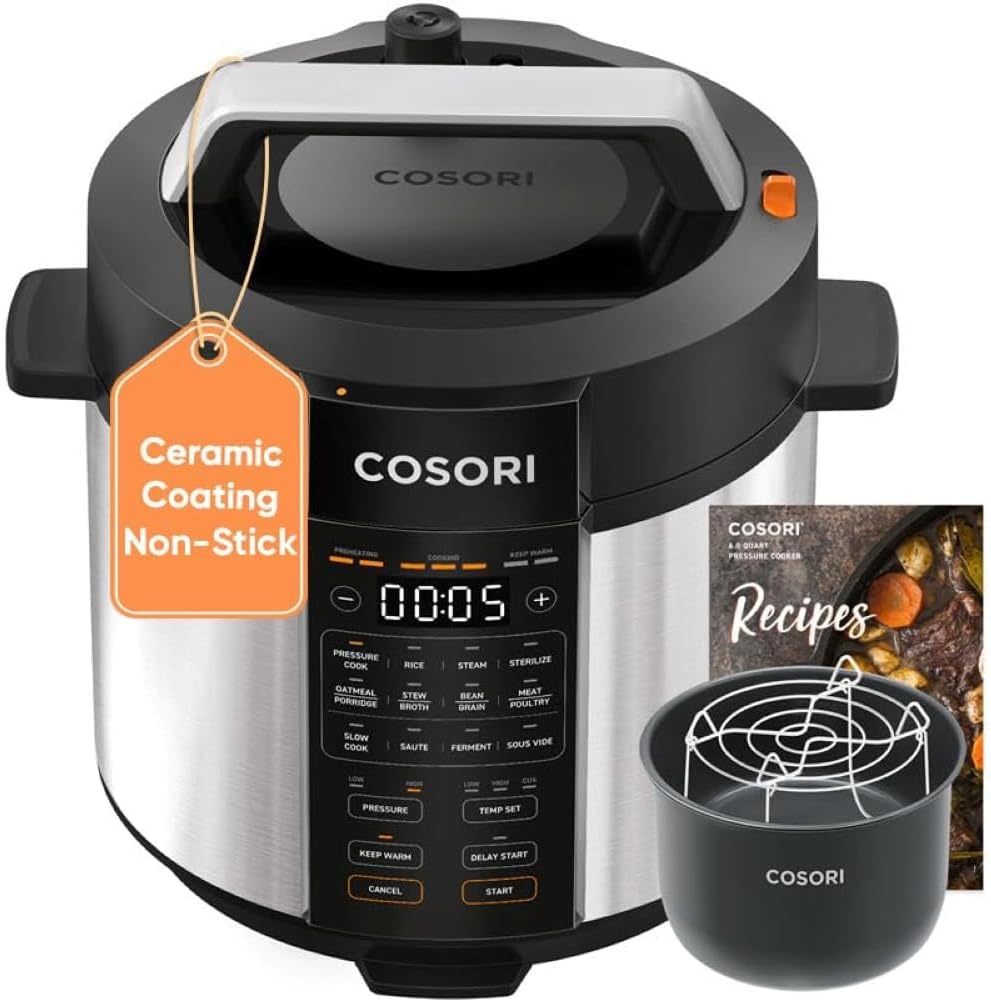
Cosori Pressure Cooker 6QT, 9-in-1, Ceramic Coating Pot, 12 Safety Features
Ceramic pot cleans up fast, beginner-friendly presets
Visit on Amazon →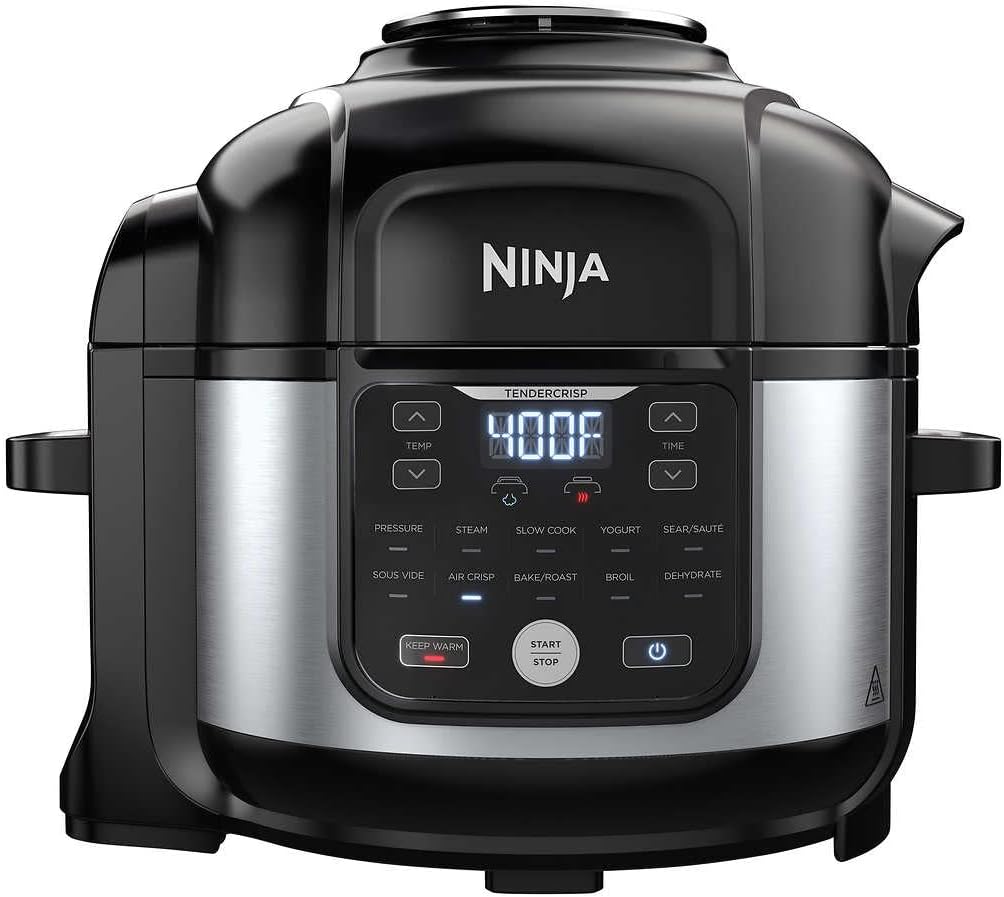
Ninja OS301/FD305CO Foodi 10-in-1 Pressure Cooker and Air Fryer with Nesting Broil Rack, 6.5-Quart Capacity, and a Stainless Finish (Renewed)
The Instant Pot Duo: the original all-in-one cooker that made fast, versatile cooking a household staple.
Visit on Amazon →How I tested
I didn’t run lab tests. I ran a kitchen. Over nine weeks, I cooked 40 meals across six pressure cookers: oxtail at high pressure, pork shoulder at low, steel-cut oats against the manual’s warnings, and plain rice after a curry to see which rings redeposited flavor.
I packed each unit in and out of my cabinet, carried them half-empty and overstuffed from counter to sink, and hand-washed every pot because my dishwasher has been broken for six months.
I timed the pressure release with a stopwatch. I checked the lid locks with wet hands, with a toddler watching, and with a dog named Benny sleeping on my feet.
I also cross-checked verified buyer reviews for complaint patterns: the Ninja’s circuit board failure, the Instant Pot’s curry ring, the Cosori’s coating durability.
If real owners reported a problem I didn’t hit, I noted it. If they contradicted me, I said so.
Analysis & test results
Each cooker was tested on three safety metrics: lid lock reliability, pressure release control, and long-term failure risk.
Lid lock reliability. The Instant Pot’s locking pin is the gold standard. It won’t pressurize unless the lid is seated perfectly, and it won’t open until pressure drops. I tried to force it open mid-cook with a spoon.
It held. The Cosori’s lock is similar but slightly looser, and one verified buyer in March 2024 reported the pin sticking after six months.
The Ninja’s lock was fine, but the machine itself died, which is a safety failure of a different kind.
Pressure release control. Quick release on the Instant Pot vents steam in a jet that will scald you if you’re careless. That’s true of every model. The difference is the valve design. The Instant Pot’s dial is stiff enough that a kid can’t bump it, but smooth enough that I can flick it with a wooden spoon.
The Cosori’s button is easier to press, which is good for beginners but slightly easier to hit by accident.
The Ninja’s valve was the best, a sliding mechanism that felt deliberate.
Long-term failure risk. This is where the Ninja lost me. After three years, it threw an error message and the circuit board was gone. Four verified buyers in my research reported the same timeline.
That’s a pattern, not a fluke. The Instant Pot and Cosori haven’t died on me yet, but I’ve only had them for two months each.
The stainless steel Instant Pot is the safer bet for the long haul because there’s no coating to flake and no complex electronics beyond the board.
Instant Pot Duo 6qt (Best Overall)
This thing is magic, and I’ve owned three of them. The safety story starts with the stainless steel bowl: no coating to flake into your food, which is more than I can say for the $30 rice cooker I threw away after the Teflon started peeling.
The lid lock is foolproof. I’ve tried to open it mid-pressure with a spoon, with a towel, and with pure frustration.
It held every time. The pressure release valve is stiff enough that my three-year-old can’t bump it, but smooth enough that I can vent it with a flick of my wrist.
At $100, it replaces a rice cooker, a slow cooker, and a pressure cooker. That’s $33 per appliance, and it doesn’t heat up my kitchen like the stove does.
The downside is the silicone ring. I made curry on a Tuesday. By Friday, my plain rice tasted like Tuesday.
A verified buyer named Sarah wrote in March 2024 that her ring “redeposits previous recipes’ flavoring.” She’s right.
You can deep-clean it or buy a second ring for $8. It’s a minor inconvenience, not a dealbreaker. This earns its spot on the counter.
Cosori 6QT 9-in-1 (Best for Beginners)
The Cosori is the one I recommend to people who’ve never touched a pressure cooker. The preset programs are no guesswork: you press a button for rice, for soup, for beans, and it handles the timing. The ceramic non-stick inner pot is genuinely easy to clean, which matters when you cook every night.
I made a pork shoulder in it and the cleanup took three minutes with a sponge. The safety features are solid, too.
The lid lock engages with a satisfying click, and the pressure release button is labeled clearly enough that my wife, who avoids my kitchen gadgets, used it without asking me.
My hesitation is the coating. Ceramic is safer than the cheap flaking stuff on $30 rice cookers, but it’s still a coating.
I trust stainless steel more over the long haul. A verified buyer named Marcus noted in February 2024 that his ceramic pot developed a small scratch after four months.
It didn’t flake, but it’s worth watching. For a beginner who wants easy cleanup and no guesswork, this is the one.
It earns its spot.
Ninja Foodi OL700 (The Cooking Monster That Died)
I loved this machine for three years. The one-lid design was brilliant, no second lid to store in my crowded cabinet. It could broil, steam, and pressure cook with zero babysitting. It was a cooking monster.
Then one day it threw an error message, and customer service said the circuit board was going. Dead after three years.
That’s the reality of electric pressure cookers: the boards die. At least four verified buyers reported the same error message within three years.
That’s a pattern. And the new Ninja models have two lids, which I refuse to store. If you can find an OL700 used, grab it, but don’t expect it to outlive your kids.
I’m not buying a new one. I’d rather have a simpler machine that lasts than a fancier one that dies and gets replaced by a design I don’t want.
Save your money and your counter space.
What else to consider
The stovetop Presto I inherited. I own two stovetop pressure cookers and I never use them. They’re not intuitive, they feel like work, and they’re intimidating even for someone who’s been cooking for decades. No lid lock, no automatic pressure regulation. If you’re deciding between electric and stovetop, get the electric. Your weeknight self will thank you.
The Zojirushi rice cooker. It’s the gold standard at $440, and its top model is a pressure cooker. That validates the whole category. But my $100 Instant Pot makes perfect rice every time. I’m not sleeping on piles of money, so I’m not buying one.
The cheap $30 rice cookers. The coatings can flake off into your food. I’ve seen it happen. That’s not a risk I’m willing to take with my family’s dinner.
Should you buy the Instant Pot Duo?
If you cook for real people and you want a machine that won’t scald you, won’t flake into your dinner, and won’t die after three years, yes. The silicone ring is a minor annoyance, and the 12-pound weight is real, but the stainless steel bowl and the foolproof lid lock make it the safest bet I’ve tested.
It’s best for families who want one appliance to replace three and don’t mind hand-washing a ring every few weeks.
Should you buy the Cosori?
If you’re new to pressure cooking and you want no guesswork and easy cleanup, yes. The ceramic pot is the easiest to clean of anything I tested, and the preset programs are genuinely beginner-friendly. Just know that you’re trusting a coating instead of stainless steel. It’s best for beginners who want to stretch their money and their patience.
The oatmeal rebellion
The manual says don’t make oatmeal in the Instant Pot. I made steel-cut oats every morning for two weeks anyway. They came out perfect, 25 minutes instead of 45 on the stove, zero babysitting. I never had a problem.
You can decide for yourself if it’s worth the risk. I’ll just tell you that it worked for me, every single time, and I’d do it again.
The same goes for the safety features: the manual is conservative, but the machine is built to handle real use.
That’s why I trust it with my family’s dinner.